
As someone who is on the lookout for signs of spring as early as February, I think I can say the season is stubbornly late this year. As I take my daily walks, my eyes are straining to see wisps of wildflower foliage, but very little has poked through the leaf cover, especially considering that, at this time last year, there were not just leaves but open blooms. Likewise, the daffodils have formed buds, but not one has opened, though my longing looks at the dwarf iris stems finally were rewarded with blooms – but approximately two weeks later than last year.
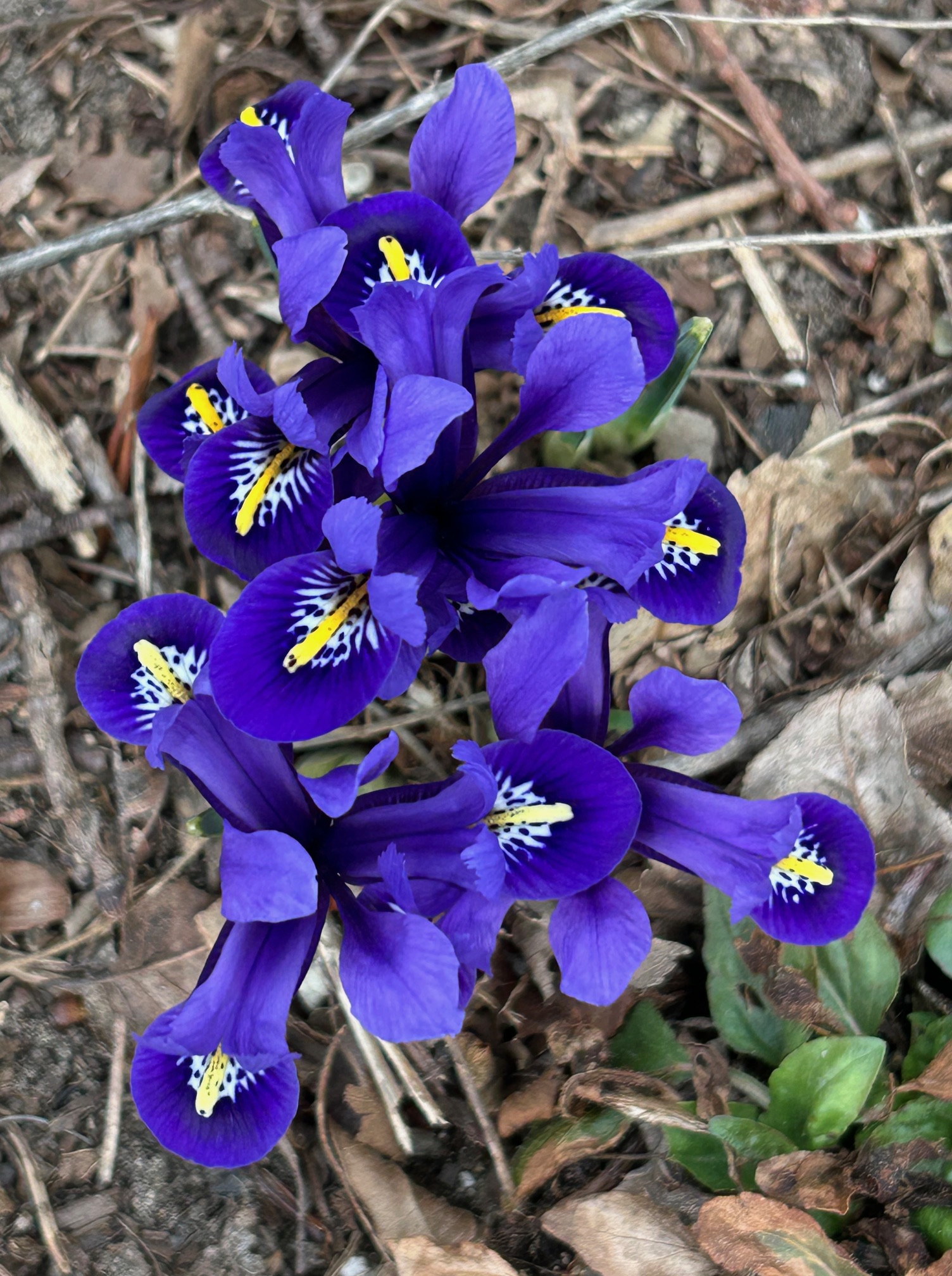
It probably seems like a small thing to fuss over spring being late. After all, the calendar says it didn’t officially arrive until last week. What could be so terrible about a two-week delay in flowers blooming?
But to the winter-weary who are still shivering in down coats with scarves wrapped in place to ward off the dreadful winds, impatience is understandably setting in. I saw it on the tired face of a friend as we talked about “the cold” that refuses to let up. You see, as soon as January ends, we northern dwellers start to play a little game in which we trick ourselves into thinking spring is near. It goes something like this: “March is next month. March means the first day of spring. Winter soon will be over!”
We know that it may not be, that it often has not been. We remember March winds and April snowstorms. But we can’t help hoping. We check weather forecasts and the slowly changing times of sunrise and sunset, clinging to anything remotely suggesting warmer temperatures, sunshine, or the greening of the landscape. When all of that fails or disappoints, I choose to be encouraged by less weather-dependent indicators like the big sign outside my favorite greenhouse as it finally announces, “Opening April 1” and the sudden appearance of hanging baskets inside.
There are other hopeful signs, too, like the Wood Ducks who have been visiting for the last few weeks and the Eastern Screech Owl who has occupied one of our nesting boxes. Despite the wretched chill in the air, I know it’s also time to be alert for the bobbing tail of the Eastern Phoebe, one of spring’s early migrants.

Meanwhile, I have to acknowledge that with each day, there are more wildflower shoots – mostly the starts of Spring Beauty – popping up along the woods paths. I even saw a tiny Spring Cress plant with tinier buds on it the other day. As I watch and wait, I know the big change will come quickly and seemingly all at once when drifts of Spring Beauty, Dutchman’s Breeches, and Bellwort appear under the trees along with Violets, Jack-in-the-Pulpit, Wild Geranium, and Swamp Buttercup. But like a nervous hostess awaiting her guests, I can’t help but wish they weren’t running so late this year.


I am reminded of Captain Harville in Jane Austen’s Persuasion describing how a sailor feels while waiting to see his wife and children after returning from a twelve-month absence: “. . . he calculates how soon it will be possible to get them there, pretending to deceive himself, and saying, ‘They cannot be here till such a day,’ but all the while hoping for them twelve hours sooner, and seeing them arrive at last, as if Heaven had given them wings, by many hours sooner still!”
As I also wait and calculate, pretend and hope, I know spring’s long twelve-month absence will eventually end in a profusion of beauty. And when it gets here, it may even seem as if it arrived sooner than I expected. But for now, I wait under the gray clouds, shivering in the cold, and listening to the roar of the wind, keeping faith that what is unseen will one day be revealed.
 QuietKeepers